
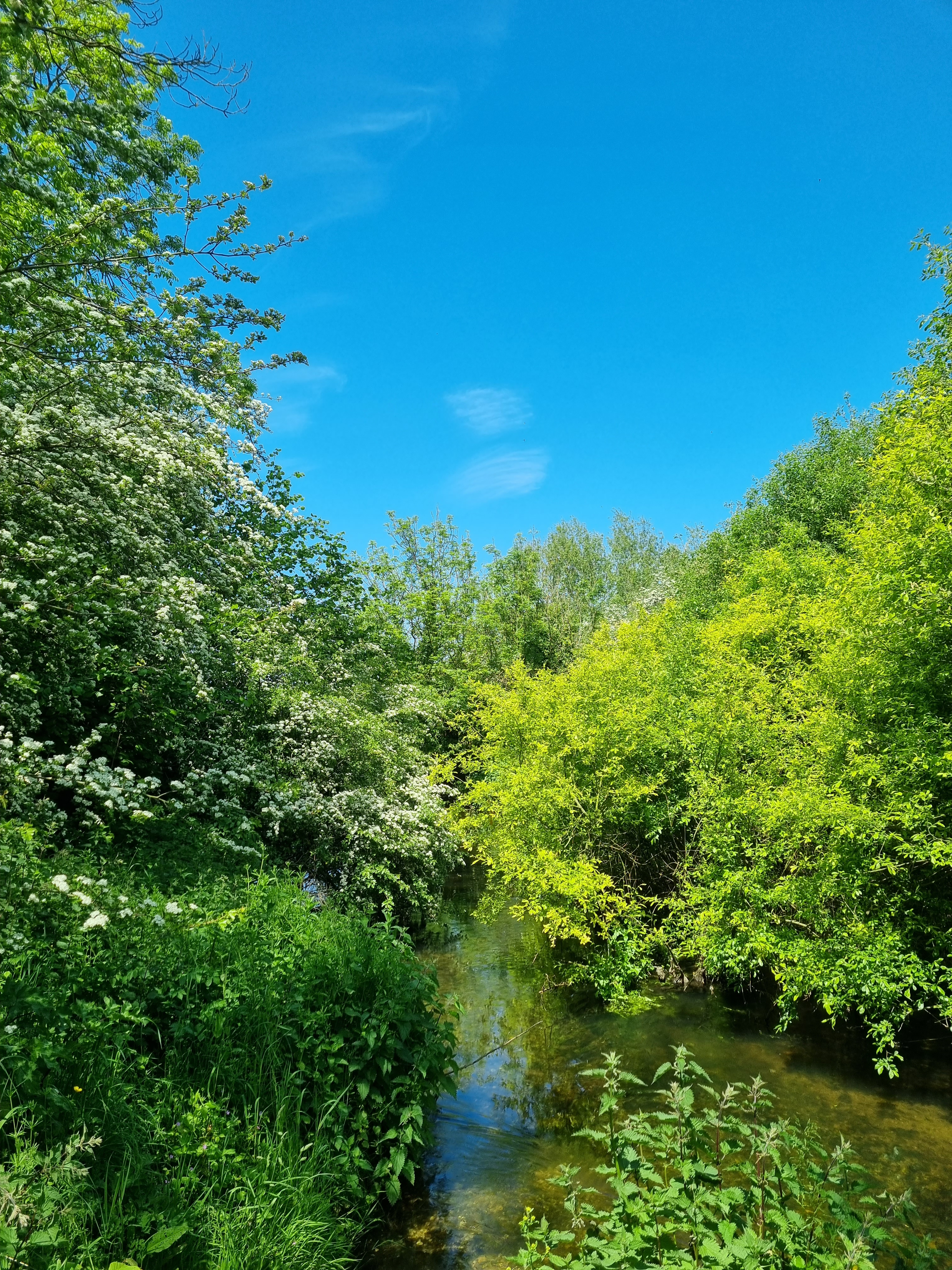
It only takes 15 minutes to walk from Luton Airport Parkway train station to Someries Castle. Rather than take the shortest route there, I chose to take a more leisurely journey following the river Lea upstream from Harpenden.
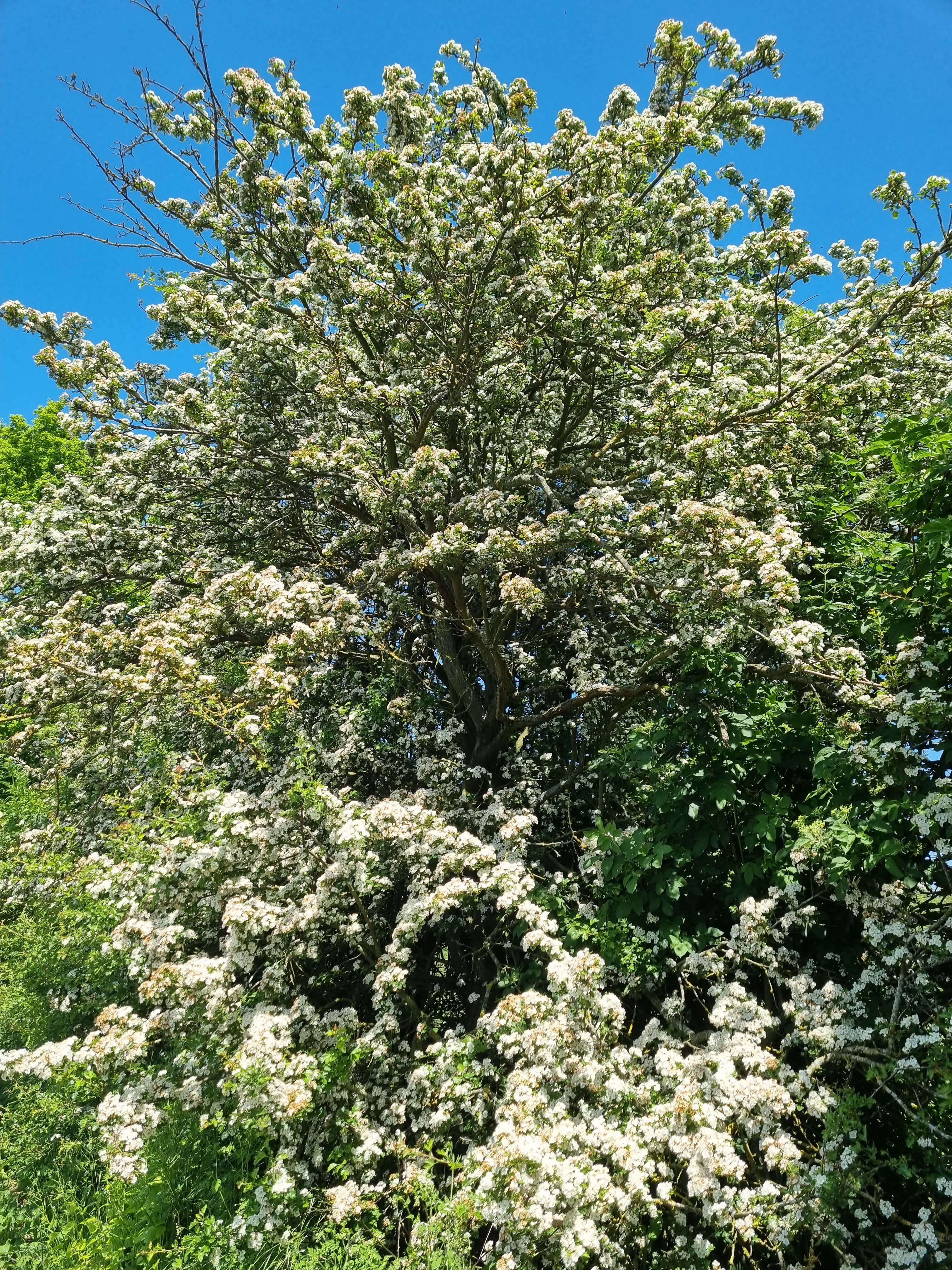
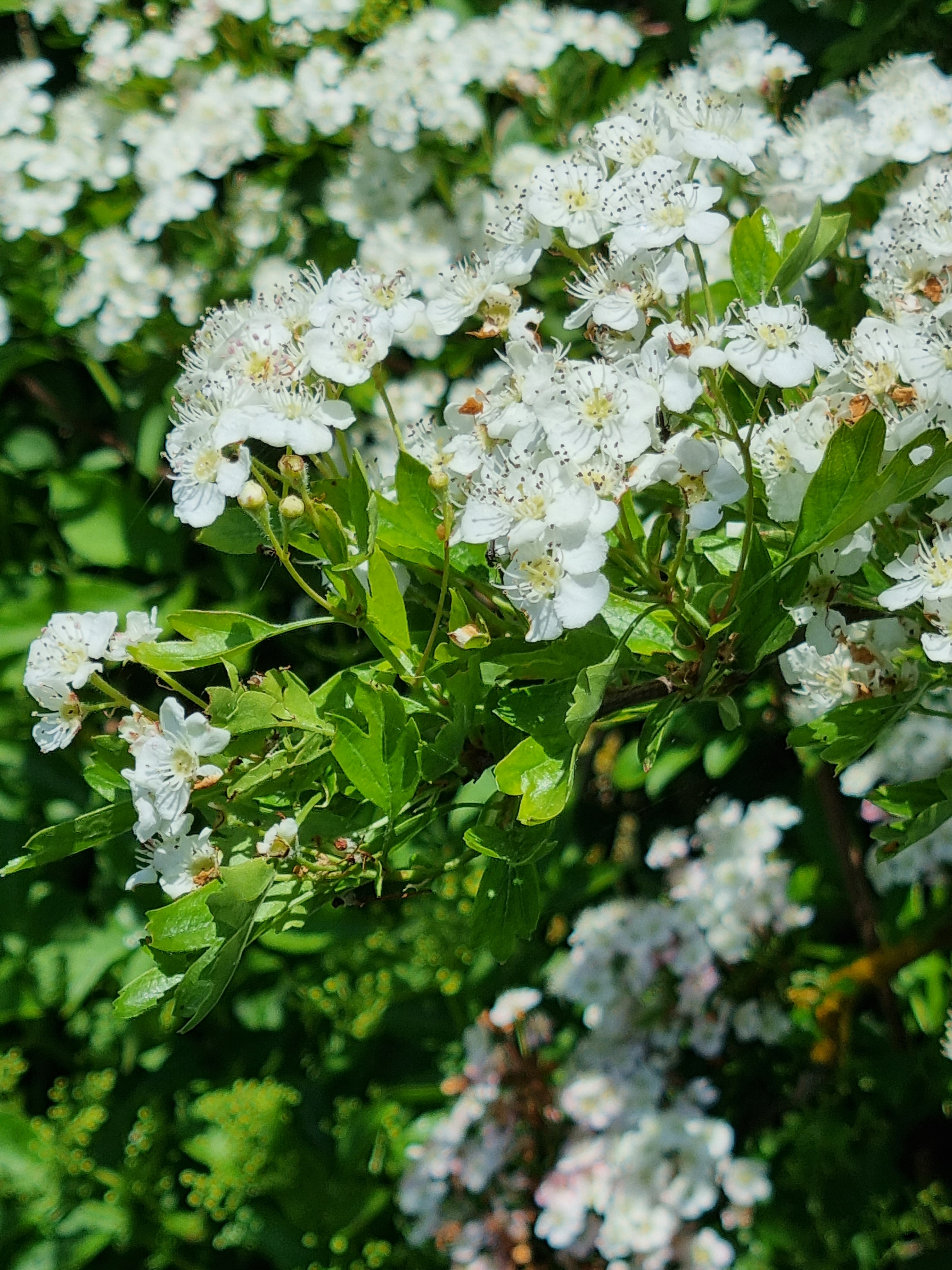
Hawthorns were in dazzling bloom everywhere and very photogenic. If there’s one plant which epitomizes the English countryside to me, it’s the hawthorn, staple of hedges, both in lane and field. Fly over Britain and glance out the airplane window onto the green stretching out below and note how most plots of farmland are fringed by hedges – and many of those will be comprised of hawthorn, which grows freely and thickly, giving shelter and food to birds. The sweetish pulpy fruit which it bears is well known under the name of “haws.”
I’ve included a hawthorn photo montage below:

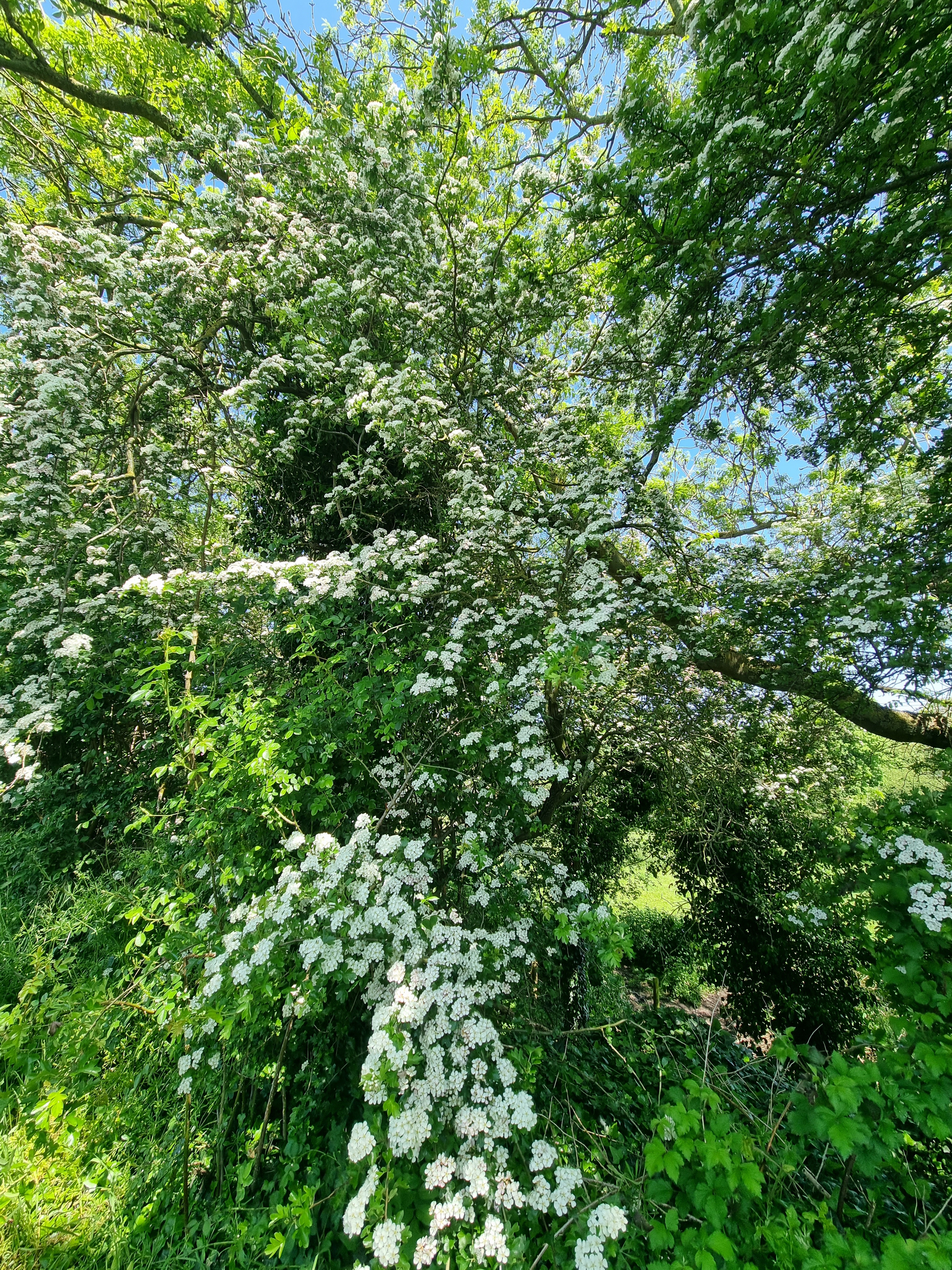
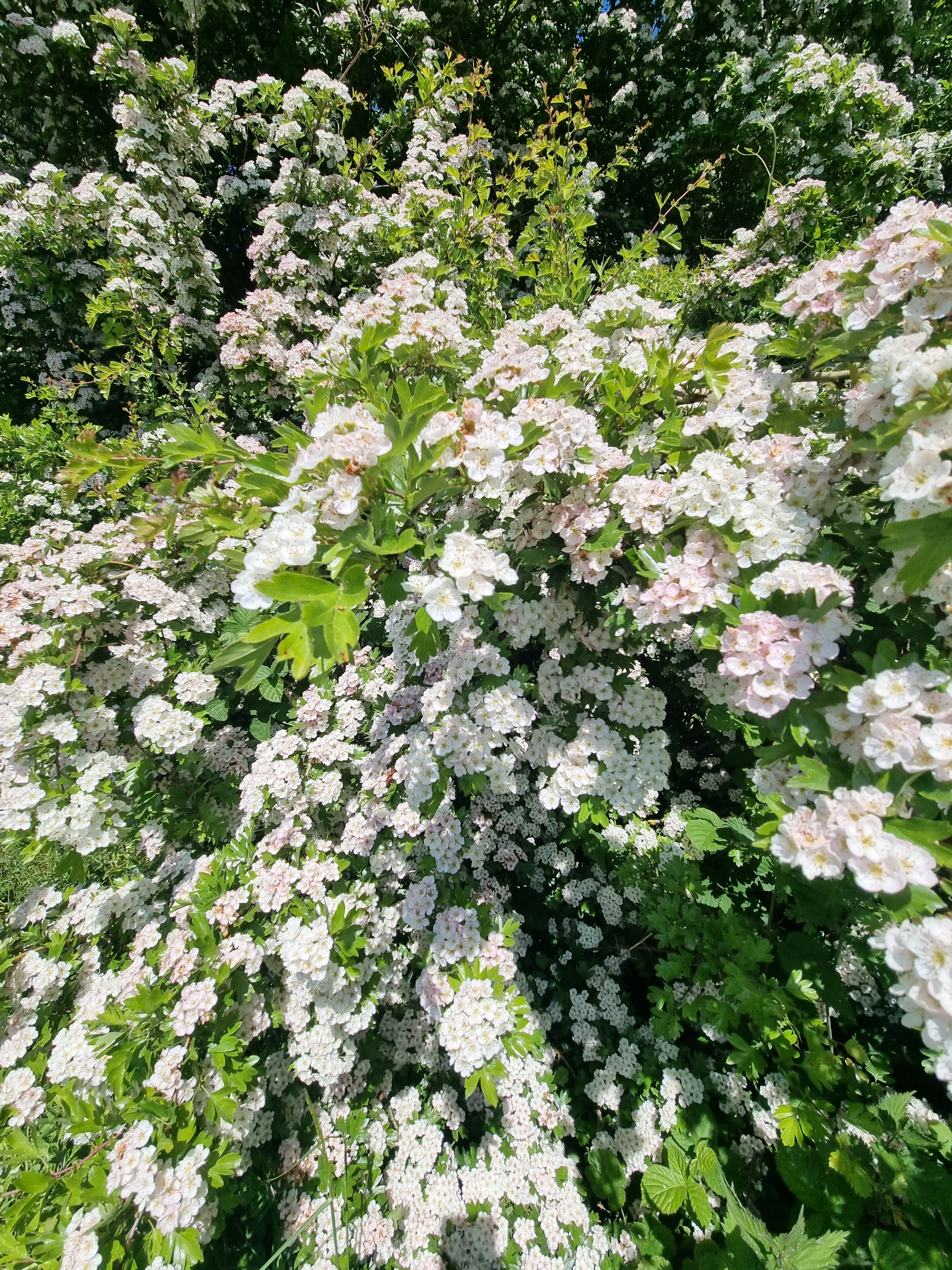
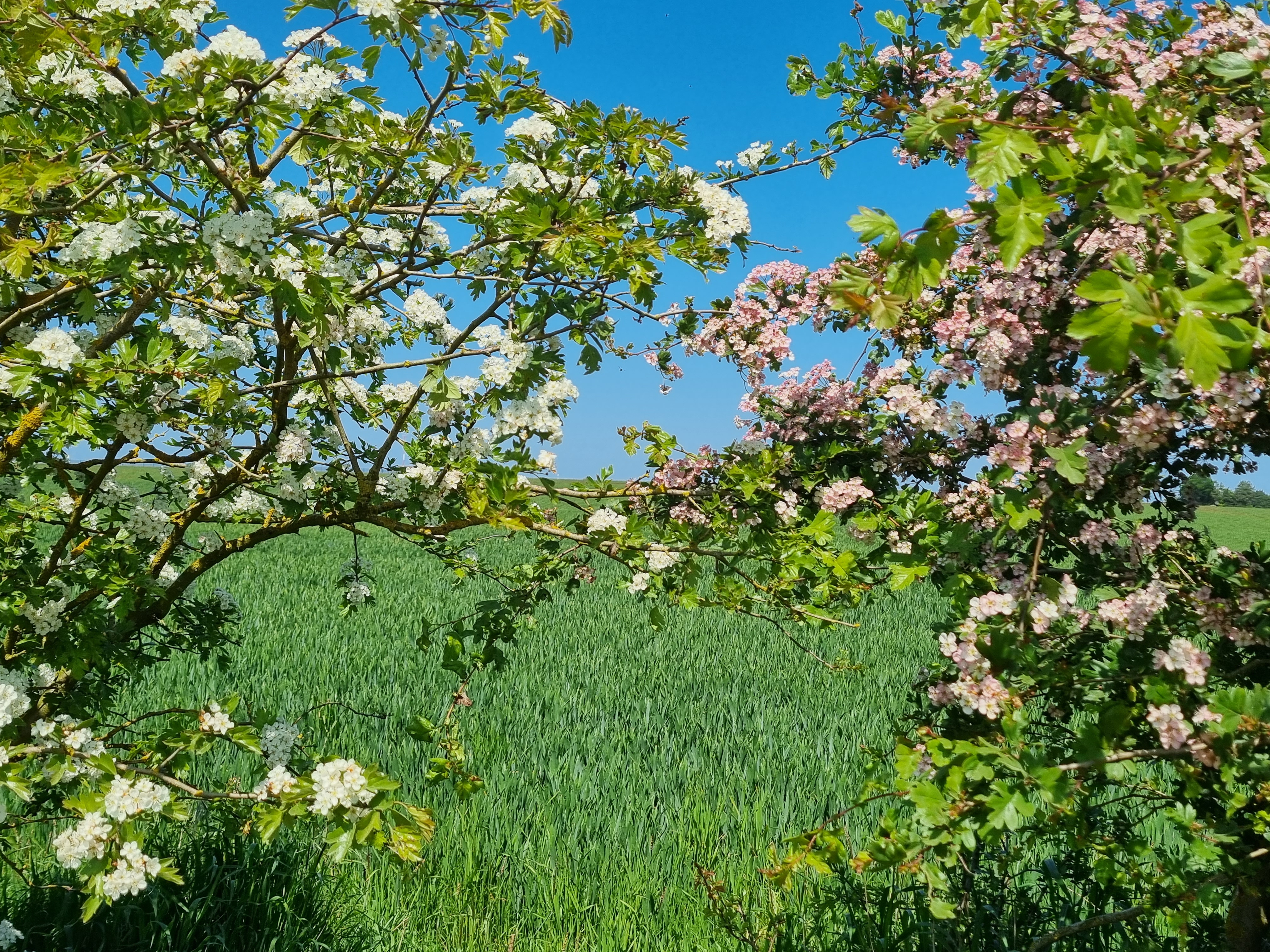
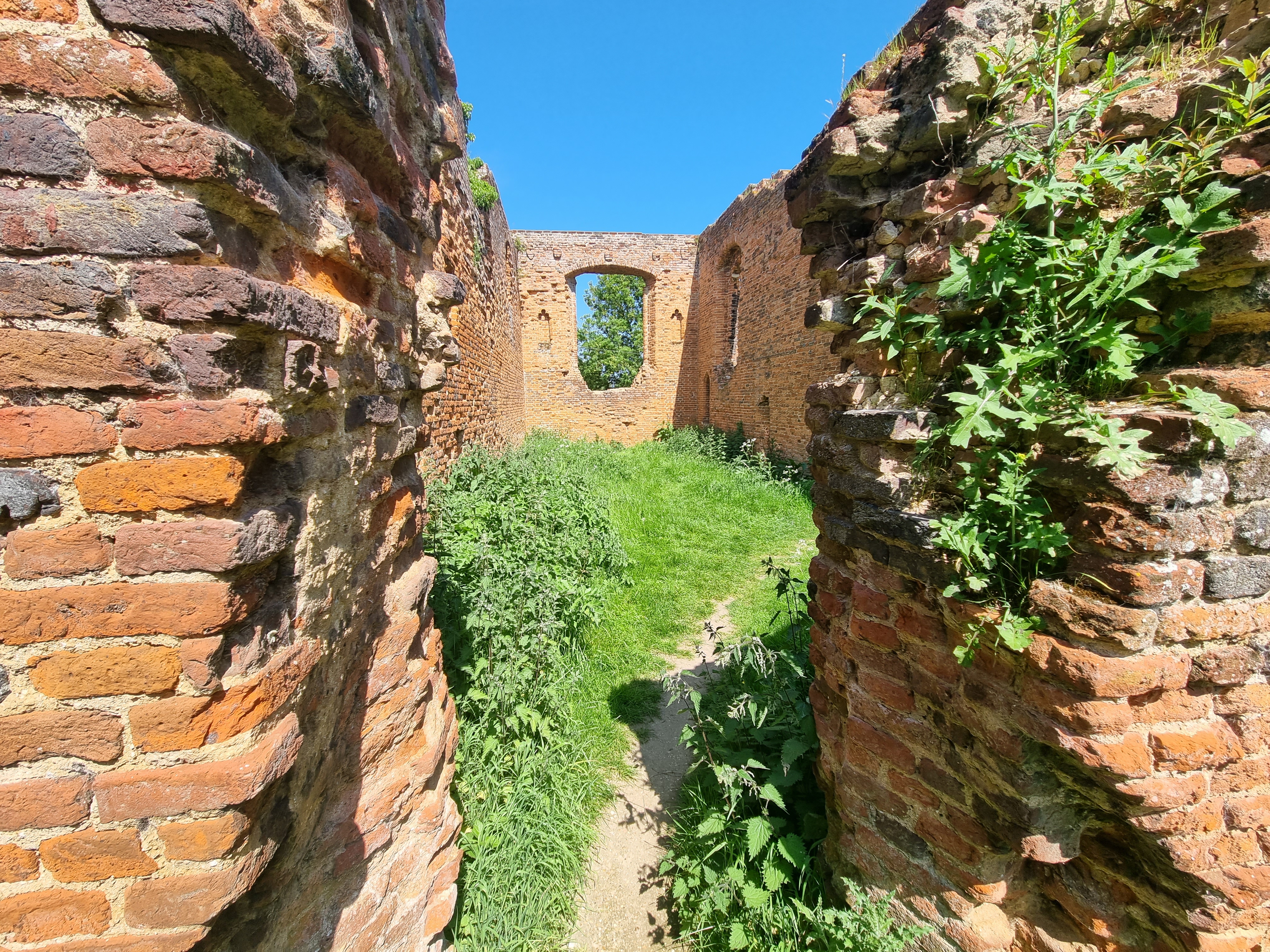
After an hour’s walk, I arrived at an unassuming gate shaded by Ash trees. Red brick ruins could be seen up ahead.
A sign confirmed I’d arrived at Someries Castle. The sign pointed out that the ruins of Someries Castle date back to the 15th century, part of a once lavish residence built by Lord John Wenlock who was Chamberlain of Margaret of Anjou, the wife of Henry VI.
I recalled the name ‘Wenlock’ from the ‘Wenlock jug’ I had been sent to see at Stockwood Discovery Centre.
Perhaps some Wenlock jugs had been put into action here?
The sign explained that the name ‘Someries Castle’ comes from the ‘de Somery’ family who originally held title to the land.
Ownership passed to John Wenlock who built the residency. Lord Wenlock died in the Battle of Tewkesbury in 1471 and his estates were forfeit to the crown.
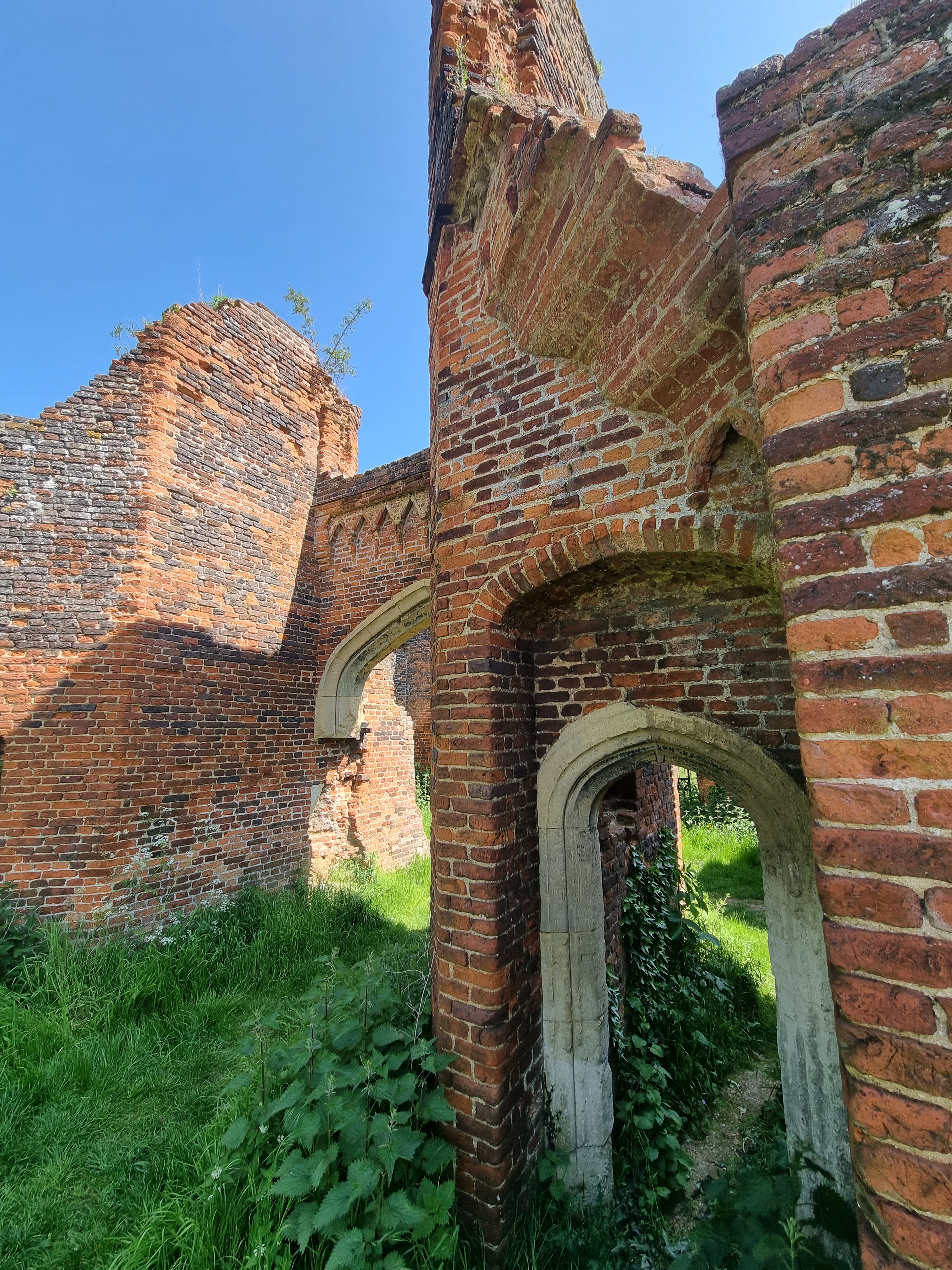
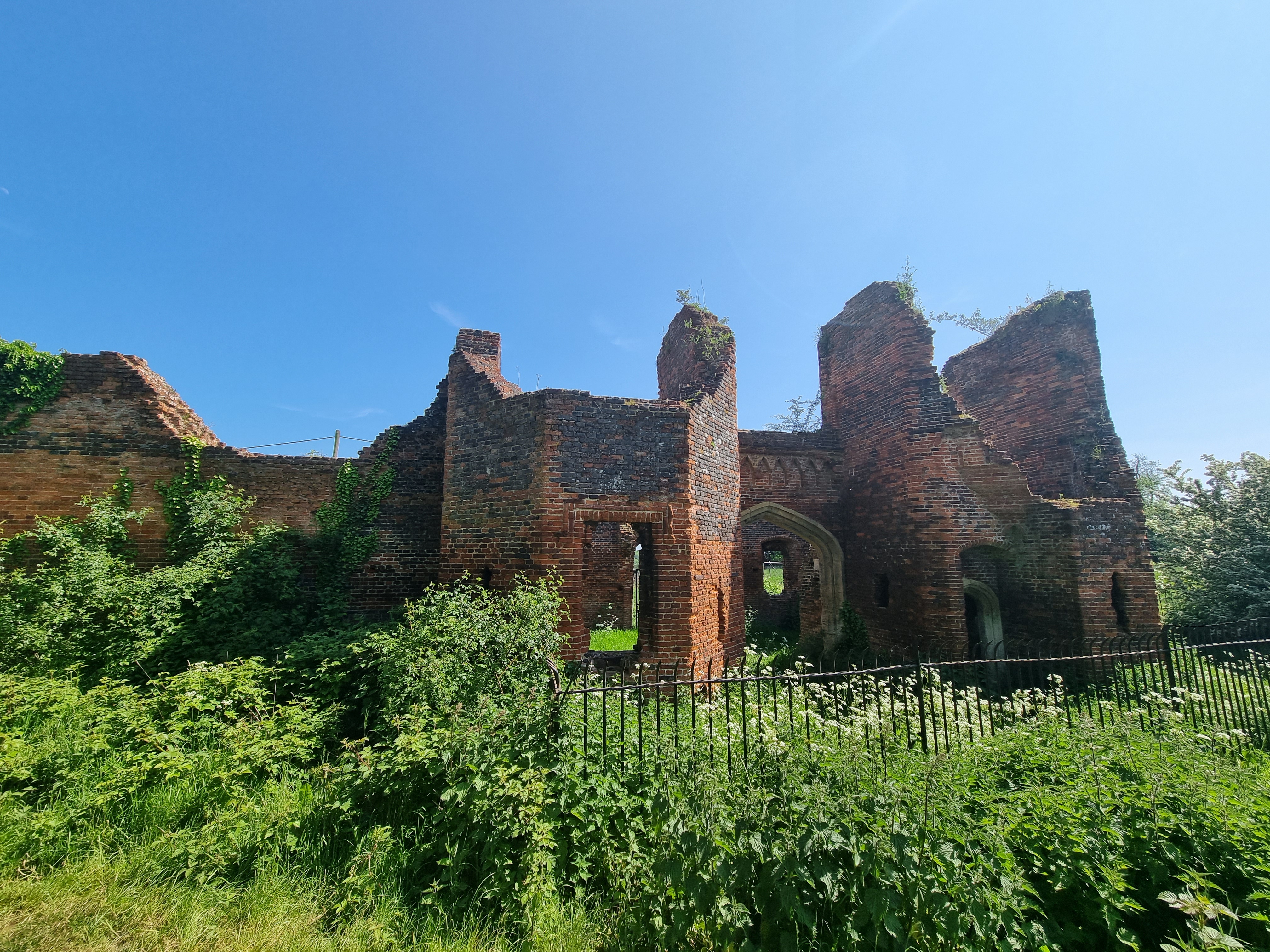
The residence is unusual in being almost entirely constructed of brick – a material that had only recently been introduced at that time.
In 1661 Someries Castle was acquired by Robert Napier of Luton Hoo. It was partly demolished in 1742 and many of its bricks used in neighbouring farm buildings.
These days the rooms are open to the sky and the former residence is carpeted by hogweed, nettles and cow parsley. Its walls now resound with sounds of air traffic and the flock calls and clucking of chickens.
The chicken coop I was looking for is situated in an enclosure in a field adjacent to the castle. Cows also wander about in further adjacent fields.
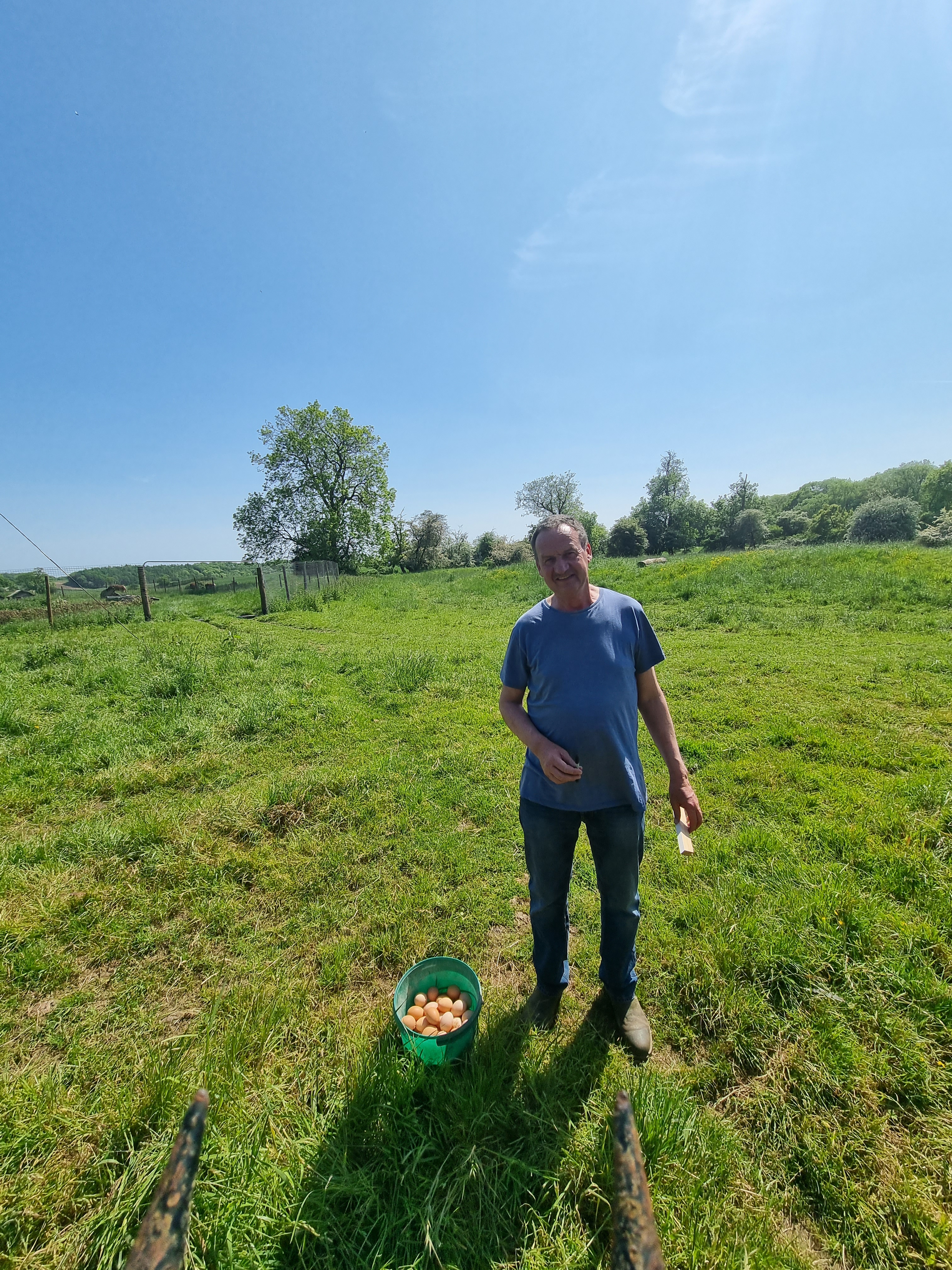

Before very long I saw a man with a bucket enter into the hen house. He emerged with his bucket filled with eggs. I commented on the quantity and soon got to chatting with Philip. Philip told me that he owns the chicken coop and also works on one of the nearby farms.
I told him about what I was doing and asked him where I should visit next in Luton. Philip said he doesn’t know much about Luton and hasn’t visited for many years. Instead, he sent me to see the Mill by Barton Springs.
He then went into the chicken coop and brought me back a chicken feather to include on the montage.
Annie at The Olde Watermill Shopping Village in Barton-le-Clay >>
 Artrospektive